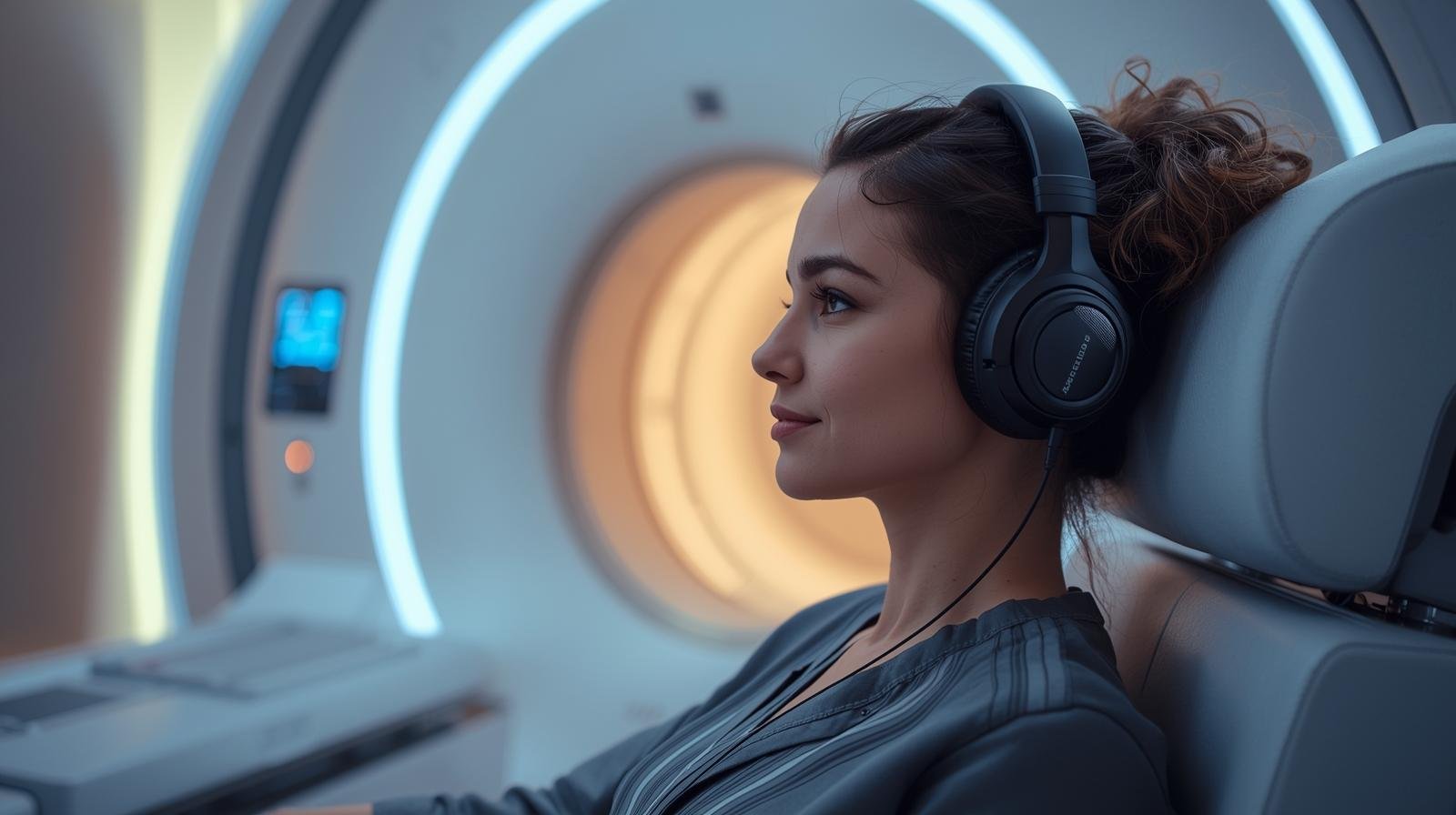
If you’ve never had an MRI before, the noise can be a shock.
The inside of an MRI machine can hit 110–120 decibels. That’s close to standing next to a jet during takeoff. For many people, the sound—not the scan—is the hardest part. It’s even worse if you’re sensitive to noise or already feeling anxious in tight spaces.
Here’s the tricky part: you cannot use regular headphones. Even small bits of metal or magnets are dangerous inside an MRI room.
That’s why choosing true MRI safe headphones or ear protection matters. Not for comfort alone—but for safety.
I’ve reviewed the most practical, non-magnetic options people actually use during scans. No hype. Just what works.
Table of Contents
Quick Comparison: MRI-Ready Ear Protection
| Product | Standout Feature | Best For | Price |
|---|---|---|---|
| MRI-Safe Hearing Protection Ear Muffs | Fully non-magnetic | All clinical MRI scans | Mid-range |
| 34dB Noise-Reducing Earmuffs (2-Pack) | High noise reduction | Loud body scans (3T MRI) | Budget |
| Sony MDR-ZX110 | Music & comfort | Waiting room only | Low |
1. MRI-Safe Hearing Protection Ear Muffs (NRR 26dB)
These are built specifically for MRI rooms. No hidden metal. No surprises when you get close to the magnet.
Key specs
- Noise Reduction Rating: 26dB
- Fully non-magnetic construction
- Adjustable plastic headband
- Foam earplugs included
What real users notice
People often worry that 26dB “isn’t enough.” In practice, it is—when combined with the earplugs. Radiology staff commonly recommend this double-layer setup. One blocks the ear canal. The other absorbs vibration through bone and skull.
Why this option makes sense
These don’t tug, shift, or react when you’re moved into the scanner. That peace of mind matters when you’re already nervous.
The honest downside
The padding is firm. On longer scans (45 minutes or more), some people feel pressure at the top of the head. It’s not painful—but you’ll notice it.
Bottom line
If safety is your top priority—and it should be—this is the most reliable choice for MRI scans.
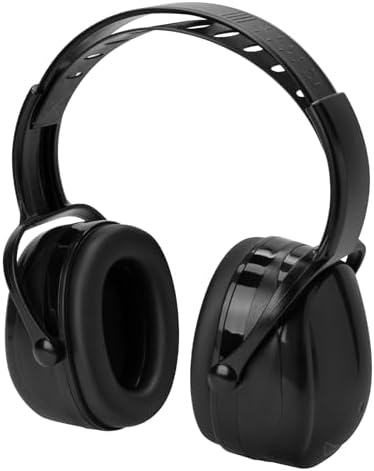
2. 34dB Noise-Reducing Earmuffs (2-Pack)
These are often sold for shooting ranges or lawn equipment, but many MRI patients swear by them.
Key specs
- 34dB NRR (higher than most medical muffs)
- Thick padding and solid seal
- Passive noise reduction (no electronics)
What people actually say
Yes, they’re bulky. But for 3-Tesla MRIs, which are noticeably louder, these can make a huge difference. Several patients report the sound changing from “jackhammer” to “manageable thumping.”
Why you’d choose these
If you’re having a body scan—legs, spine, chest—you usually have more room. That extra space makes these a strong option. The 2-pack is also handy if you’re accompanying a child or family member.
Where they fall short
They may not fit inside a tight head coil. If your scan is for the brain, jaw, or neck, these are often too large.
Bottom line
Excellent for loud, lower-body scans where space isn’t an issue.

- ABS
- Made in the USA or Imported
- Efficient Hearing Protection: These noise canceling headphones are equipped with a double-layer sound-dampening foam and…
3. Sony MDR-ZX110 Wired Headphones
⚠️ Waiting Room Use Only
Let’s be very clear:
These are NOT MRI safe. Do not take them into the scan room.
They contain magnets and metal wiring.
Key specs
- 30mm drivers
- Frequency range: 12Hz–22kHz
- 1.2m wired cable
Why they’re still worth mentioning
MRI appointments often involve long waits. Two hours isn’t unusual. Listening to calming music beforehand can lower anxiety and make the entire experience easier.
Real-world annoyances
The cable tangles despite the “tangle-free” claim. Sound also leaks, so people nearby may hear your music.
Bottom line
Great for staying calm in the waiting area. Put them away before the scan starts.

- Lightweight 1.38 in neodymium dynamic drivers deliver a punchy, rhythmic response to even the most demanding tracks. Dri…
- The swiveling earcup design allows easy storage when you’re not using them, and enhances portability when you’re traveli…
- Cushioned earpads for total comfort and enfolding closed-back design seals in sound
Buying Guide: What Actually Matters for MRI Safety
1. Non-ferrous materials only
Never risk standard headphones. Magnets can pull them off your head or cause heating and burns.
2. Noise Reduction Rating (NRR)
Aim for 25dB or higher. MRI noise is loud enough to damage hearing without protection.
3. Head-coil clearance
Brain and neck scans use a tight plastic frame. Slim earplugs often work better than bulky muffs.
4. Ask about pneumatic headphones
Some hospitals offer air-tube audio systems. Sound travels through hollow tubes—no metal, no electricity.
FAQ: MRI Headphones & Ear Protection
Can I bring Bluetooth headphones?
No. Batteries and magnets make them unsafe.
Why use earplugs and earmuffs together?
Because they block sound in different ways. Together, they reduce both air noise and vibration.
Will this help with claustrophobia?
Yes. Less noise means lower stress. Many patients say the scan feels shorter and more tolerable.
Won’t the hospital give me something?
Usually just basic foam plugs. Bringing your own MRI safe earmuffs gives you far better protection and comfort.
Final Verdict: What Should You Buy?
If you want the safest, most reliable option, go with the MRI Safe Hearing Protection Ear Muffs. They’re designed for this exact environment and come with earplugs for full coverage.
If your scan is loud and focused on the lower body, and space isn’t tight, the 34dB Noise-Reducing Earmuffs deliver serious noise reduction at a great value.
Prepare ahead of time. Protect your hearing. Walk into your MRI feeling calm and in control—not braced for impact.
Always show your ear protection to the MRI technologist before entering the scan room.